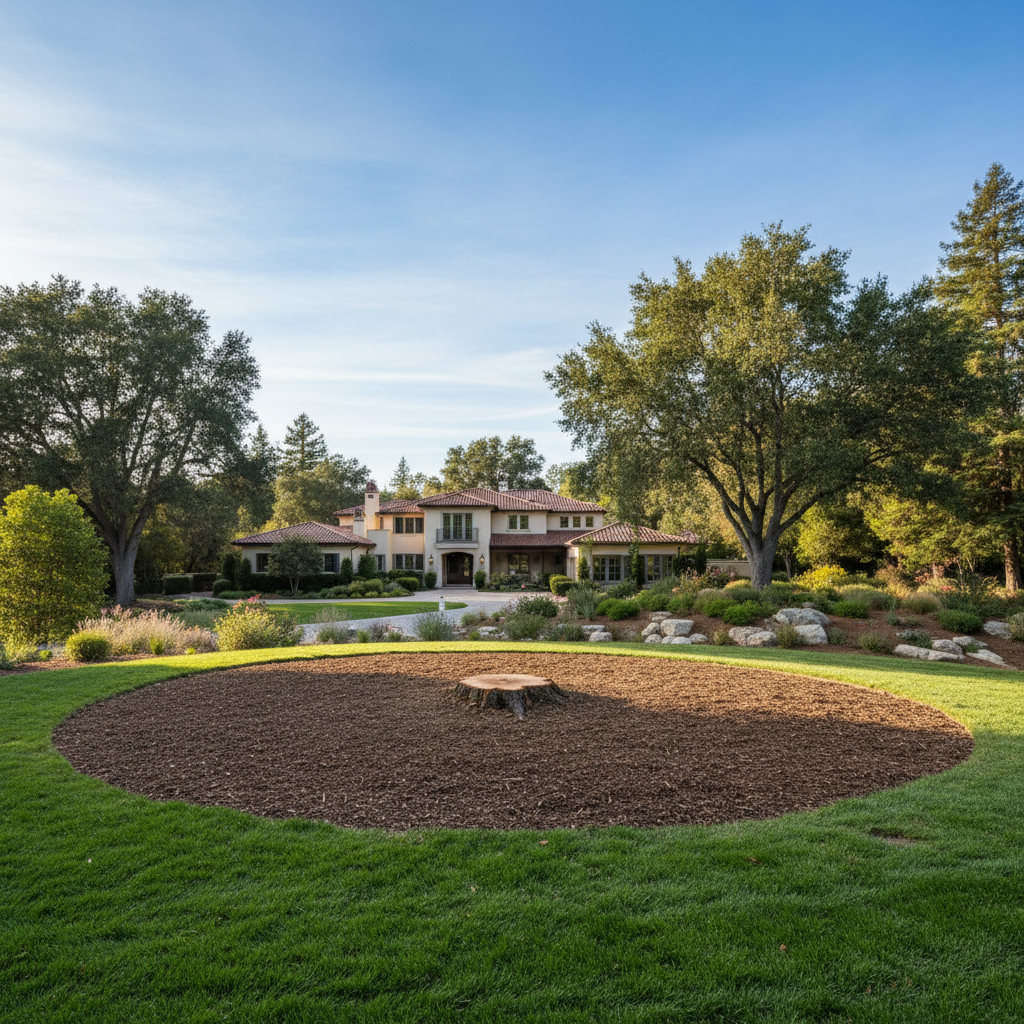
So, you've had an emergency tree removal. Maybe it was a big oak that finally gave out in a winter storm, or a sudden disease took down a beloved redwood. Whatever the reason, that immediate danger is gone, and you're left with a cleared space. But don't just breathe a sigh of relief and forget about it. What you do next, and in the months and years to come, makes a huge difference in the health and safety of your property.
Extending the Life of the Work: What Happens After the Tree Is Gone?
When we talk about 'extending the life of the work' after an emergency removal, we're really talking about the health of the surrounding landscape and preventing future problems. A big tree coming down leaves a void, both physically and ecologically. The soil where it stood is now exposed, and the root system, though mostly gone, still impacts drainage and soil structure.
First off, stump grinding is key. If you didn't get it done during the removal, do it. A stump left behind can be a tripping hazard, attract pests like termites and carpenter ants, and it'll take forever to decompose naturally. Grinding it down below grade, usually 6-12 inches, allows you to plant over it or lay sod. This is especially important in Atherton, where many properties have expansive lawns and you don't want an unsightly, decaying stump messing up your landscape design.
Next, consider soil remediation. That tree was pulling nutrients from the ground for decades. When it's gone, the soil might be depleted or compacted. I often recommend adding some good compost and organic matter to the area. This helps rebuild the soil structure, encourages beneficial microbes, and prepares the ground for whatever you plan to put there next, whether it's new plantings or just grass.
Finally, think about drainage. A large tree's roots absorbed a lot of water. With it gone, especially in our heavy winter rains, you might find new puddling or altered water flow. Observe the area during a good downpour. If you see standing water where you didn't before, you might need to consider some minor grading or even a French drain to prevent issues with foundations or other plants.
Regular Maintenance: Keeping Your Yard Healthy
Regular maintenance after an emergency removal isn't much different from general yard care, but it requires a bit more attention to the specific area where the tree was removed. You'll want to:
- Monitor New Plantings: If you've planted a new tree or shrubs in the old spot, make sure they're getting enough water, especially during our long, dry California summers. Deep, infrequent watering is better than shallow, frequent watering.
- Watch for Pest Activity: The disturbance of a removal can sometimes stir up pests. Keep an eye out for unusual insect activity, especially around any remaining wood chips or nearby trees.
- Prune Nearby Trees: With one tree gone, its neighbors might now be exposed to more wind or sun than they're used to. They might also have branches that were previously shaded and are now getting too much sun, or they might need structural pruning to ensure they're balanced and safe. This is where a good arborist comes in; we can assess the new dynamics of your canopy.
- Manage Weeds: Exposed soil is an invitation for weeds. Keep the area clear, especially if you're trying to establish new plants.
Warning Signs of Problems: Don't Ignore These!
Even after a professional removal, you need to be vigilant. Here are some things that should raise a red flag:
- New Cracks in Foundations or Pavement: If the old tree's roots were close to structures, their decay can sometimes cause minor settling. While rare, it's worth noting any new cracks.
- Unusual Growth in the Stump Area: If the stump wasn't ground properly, or if there were root fragments left, you might see suckers or sprouts coming up. These are the tree trying to regrow. They're weak and will just cause problems down the line.
- Pest Infestations: As I mentioned, decaying wood attracts pests. If you see an increase in termites, ants, or even fungal growth in the immediate area, it's a sign something's amiss.
- Changes in Nearby Trees: A neighboring tree might suddenly look stressed, with yellowing leaves, dieback, or unusual growth. This could be due to root damage during the removal, or a change in its environment.
When to Call a Professional
Look, I'm biased, but some things just aren't DIY. You should always call a professional like us at Top Notch Tree if:
- You see any of the warning signs I just mentioned. Don't wait for a small problem to become a big, expensive one.
- You're planning new, significant plantings. We can advise on species selection that will thrive in our specific Atherton soil types – often a mix of clay and loam – and won't cause future issues with foundations or utilities.
- You need structural pruning on nearby trees. This isn't just about making them look good; it's about their long-term health and safety. Improper pruning can do more harm than good.
- You're unsure about anything. Seriously, if you have a gut feeling something isn't right, or you just want peace of mind, give us a call. We'd rather answer a quick question than deal with a preventable emergency later.
- You're dealing with a large stump that needs grinding. It's heavy machinery, and it's dangerous if you don't know what you're doing.
Taking care of your property after an emergency tree removal is an ongoing process. A little attention now can save you a lot of headaches and money down the road. Stay vigilant, and don't hesitate to reach out if you need an expert eye.