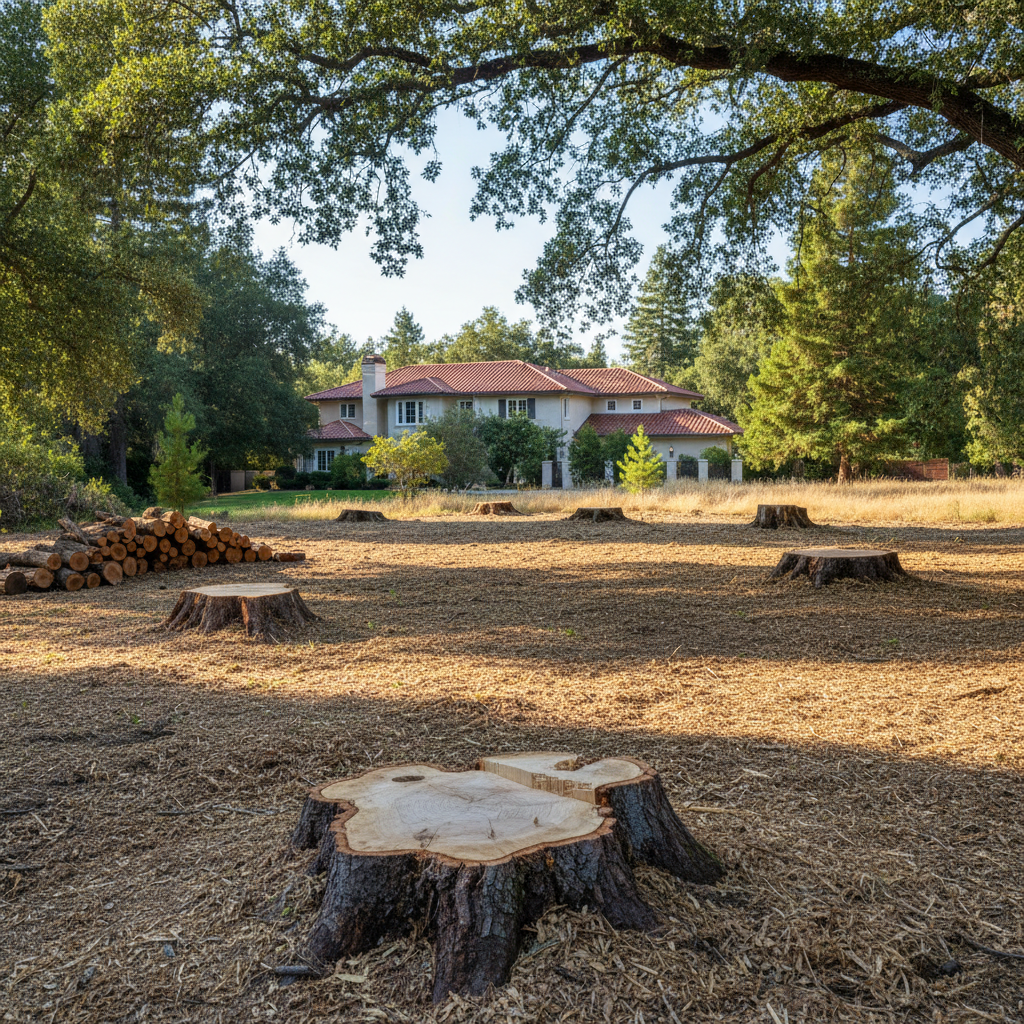
You've gone through the effort of clearing your lot, whether it was for fire abatement, new construction, or just reclaiming your property from overgrown brush. That's a big job, and you want that investment to last, right? It's not a one-and-done deal, especially here in Atherton with our unique climate and vegetation. You've got to keep an eye on things.
Extending the Life of Your Lot Clearing Work
Once we've done the heavy lifting, the goal is to prevent that dense undergrowth and invasive species from creeping back in. Think of it like weeding a garden; if you don't keep up, it'll be back to square one faster than you'd like. The biggest thing you can do is stay on top of new growth. After we clear a lot, especially if it was heavily wooded or had a lot of invasive plants like French broom or acacia, those seeds are still in the soil. They're just waiting for sunlight and water to sprout.
One key strategy is mulching. Spreading a good layer of wood chips or organic mulch in areas where you want to suppress weeds can make a huge difference. It smothers new growth, holds moisture in the soil, and slowly breaks down to enrich it. Just be careful not to pile mulch right up against tree trunks or structures, as that can cause rot and attract pests. Another thing I've seen work well for some folks is planting native, low-maintenance groundcovers or shrubs that won't get out of hand but will help stabilize the soil and prevent erosion, especially on those gentle slopes we see around West Atherton.
What Regular Maintenance Looks Like
Regular maintenance for a cleared lot isn't nearly as intense as the initial clearing, but it's crucial. You're mostly looking at prevention and early intervention. Here's what I tell my clients:
- Seasonal Walk-Throughs: Do a thorough walk-through of your property at least twice a year, maybe once in late spring after the rains and again in late summer/early fall before fire season really kicks in. Look for new sprouts, especially around the edges of the cleared area or in any disturbed soil.
- Weed Control: Pull or cut down any young weeds and invasive plants as soon as you see them. It's much easier to deal with a few small saplings than a thicket of mature brush. If you let them go, they'll quickly establish themselves, and you're back to square one.
- Fire Fuel Reduction: This is huge in California. Keep an eye on dry grasses and dead leaves. Our hot, dry summers mean everything becomes tinder. Rake up and remove fallen leaves, pine needles, and small twigs regularly. Keep the area around any structures, like your home or shed, especially clear – that's your defensible space.
- Irrigation Checks: If you have any irrigation systems, make sure they're not creating overly wet spots that encourage unwanted growth or attracting pests.
Warning Signs of Problems
You don't need to be an arborist to spot trouble, but knowing what to look for can save you a lot of grief and money down the line. Here are some red flags:
- Rapid Regrowth: If you see a significant amount of new brush or small trees popping up quickly, especially within a few months of clearing, that's a sign the seed bank is active, or you've got persistent root systems.
- Invasive Species Taking Over: Keep an eye out for aggressive invasives like Arundo donax (giant reed), periwinkle, or even certain types of ivy. They can spread incredibly fast and choke out everything else. They're often identifiable by their distinct leaf shapes or growth patterns.
- Erosion: After clearing, especially on sloped properties, you might see signs of soil erosion, like small gullies forming during heavy rains, or exposed tree roots. This means the soil isn't stable, and you could lose valuable topsoil or even compromise nearby structures.
- Pest Infestations: While not directly related to clearing, cleared lots can sometimes expose new areas to pests. Look for signs of insect damage on remaining trees or shrubs, or unusual animal activity that might indicate a new problem.
- Dead or Dying Remaining Vegetation: If we left certain trees or shrubs, keep an eye on their health. Stress from the clearing process or changes in sun exposure can sometimes weaken them, making them susceptible to disease or pests. Look for discolored leaves, sudden leaf drop, or unusual bark conditions.
When to Call a Professional
Look, you can handle a lot of the day-to-day stuff yourself, but there are definitely times when you need to bring in the pros. Don't hesitate to call Top Notch Tree if you see:
- Unmanageable Regrowth: If you're overwhelmed by new growth or if invasive species are really taking hold despite your best efforts, we can come in with specialized equipment and techniques to get it back under control. Sometimes a targeted herbicide application (done safely and responsibly) or a more intensive brush-clearing effort is needed.
- Significant Erosion Issues: If you're seeing serious erosion, that's a structural problem for your land. We can assess the situation and recommend solutions like terracing, retaining walls, or specialized planting to stabilize the soil.
- Large Tree or Stump Concerns: If you've got stumps that are stubbornly re-sprouting, or if you've decided you want to remove more trees that were left during the initial clearing, we've got the tools and expertise to do it safely.
- Fire Abatement Compliance: Atherton has strict fire abatement regulations. If you're unsure whether your property meets the current standards, or if you've received a notice, we can help you get compliant. We understand the local requirements and can make sure your property is safe and up to code.
- Any Safety Concerns: If you're dealing with anything that feels too big, too dangerous, or just beyond your comfort level, give us a call. That's what we're here for. Your safety and the health of your property are what matter most.
Keeping your cleared lot looking good and staying safe is an ongoing process, but it doesn't have to be a burden. A little regular attention goes a long way, and knowing when to call in the cavalry means your Atherton property will stay beautiful and fire-safe for years to come.